

How Things Work

Everyday mysteries. Surprising science.

Would Flying Higher Save More Fuel? course cover

Physics

Would Flying Higher Save More Fuel?

Find out why every plane has a sweet spot.

Why Does That Puddle Never Get Closer? course cover

Physics

Why Does That Puddle Never Get Closer?

The road looks wet. So where’s the water?

How Can Adding Sound Make Things Quieter? course cover

Physics

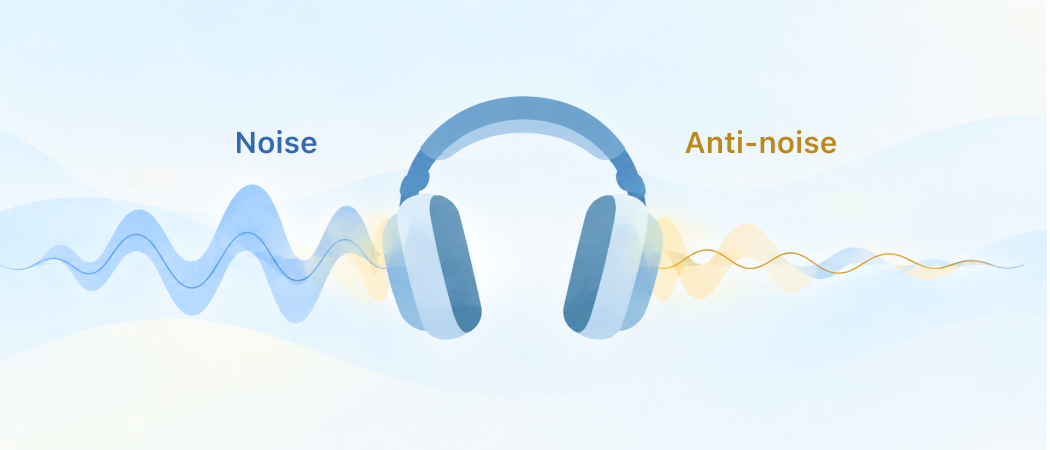
How Can Adding Sound Make Things Quieter?

The surprising trick inside noise-cancelling headphones.

Biology

Explore cells, organelles, and life processes through interactive models and visual explanations.

Phospholipids Build a Membrane course cover

Biology

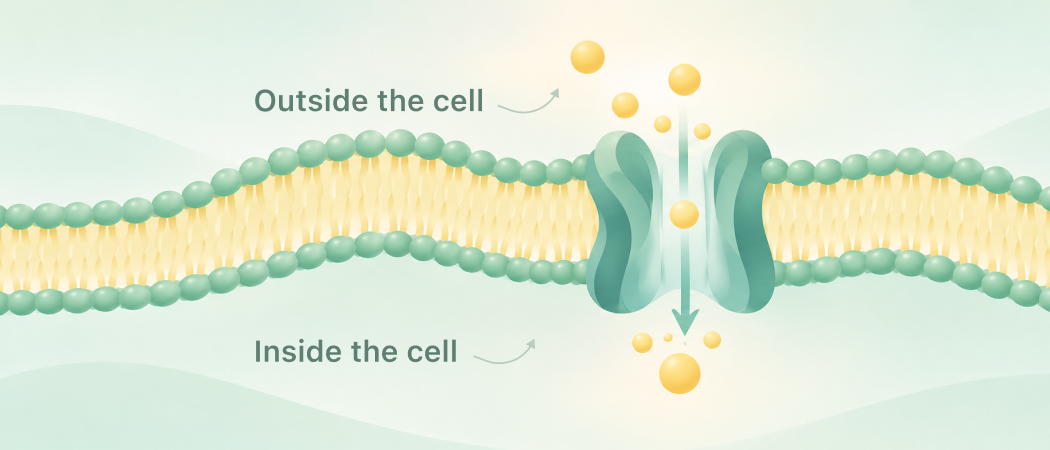
Phospholipids Build a Membrane

Use head and tail properties to explain the bilayer and locate embedded proteins.

The Eukaryotic Nucleus and Transcription course cover

Biology

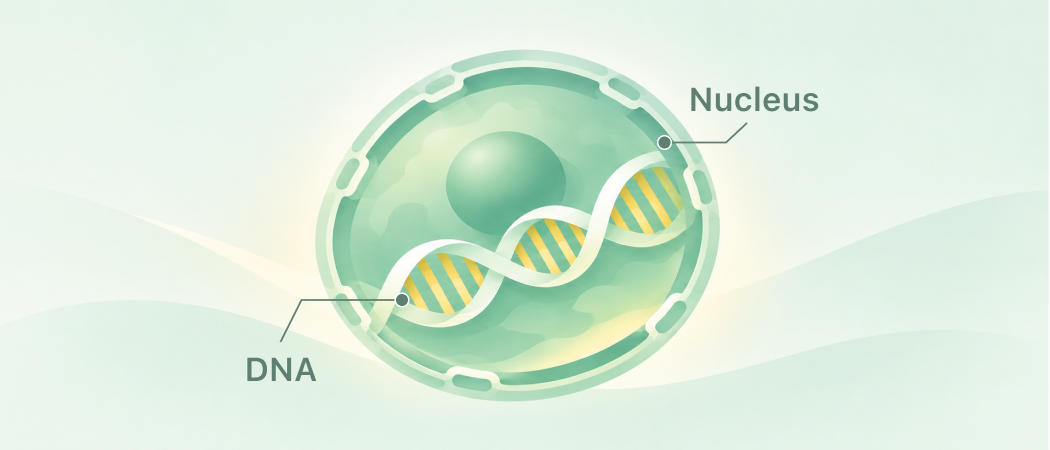
The Eukaryotic Nucleus and Transcription

Locate transcription in the nucleus and explain template-directed RNA synthesis.

Translation: From mRNA to a Polypeptide course cover

Biology

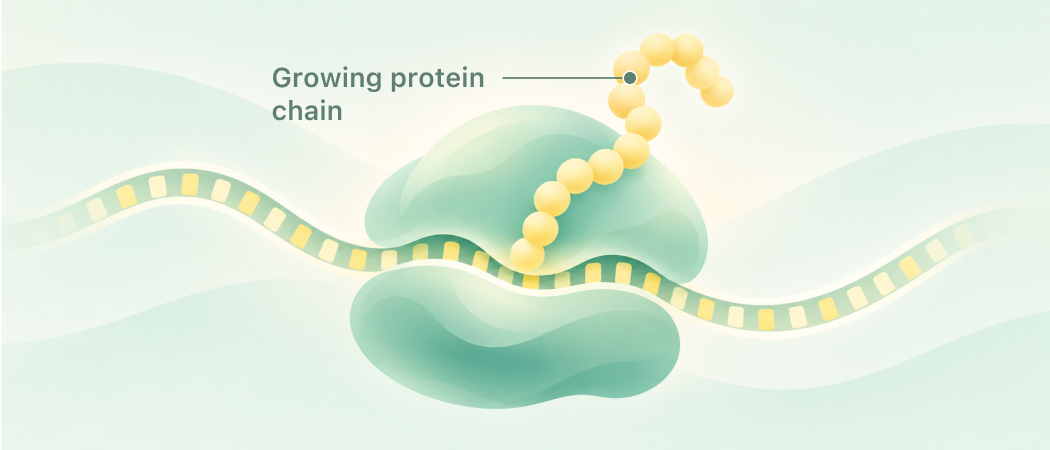
Translation: From mRNA to a Polypeptide

Trace tRNA matching, peptide transfer and translocation through chain release.

The Endomembrane System: A Secretory Protein's Journey course cover

Biology

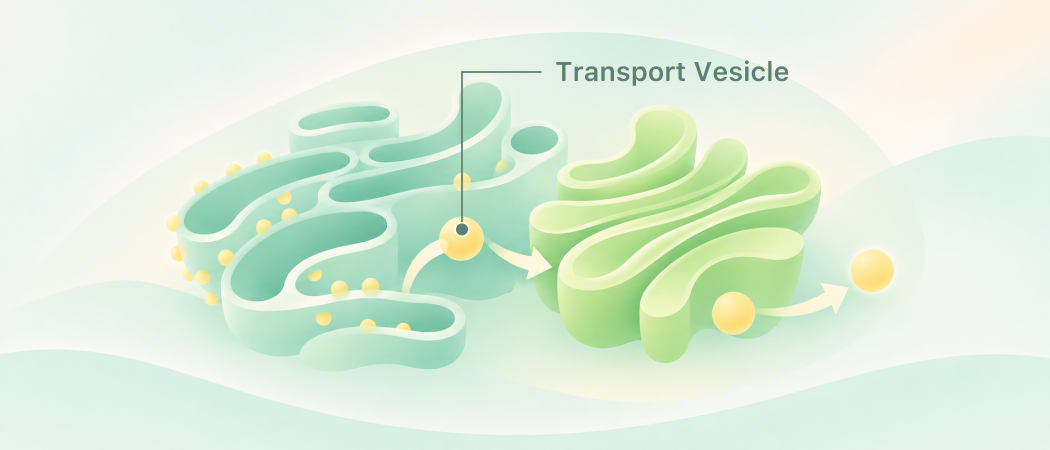
The Endomembrane System: A Secretory Protein's Journey

Trace a secretory protein through rough ER, transport vesicles and the Golgi.

Why Mitochondria Have Cristae course cover

Biology

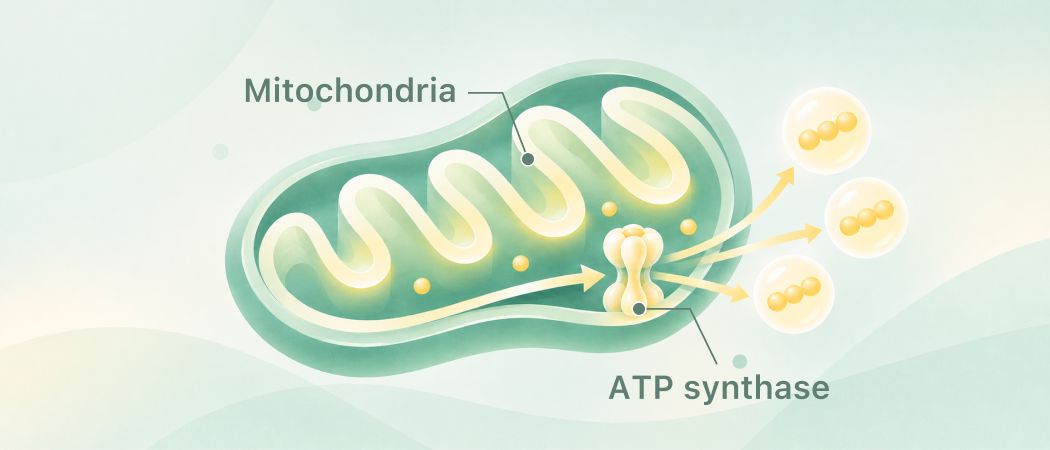
Why Mitochondria Have Cristae

Explain how inner-membrane folds provide more working surface within the same outer size.

Lumen and Stroma Inside a Chloroplast course cover

Biology

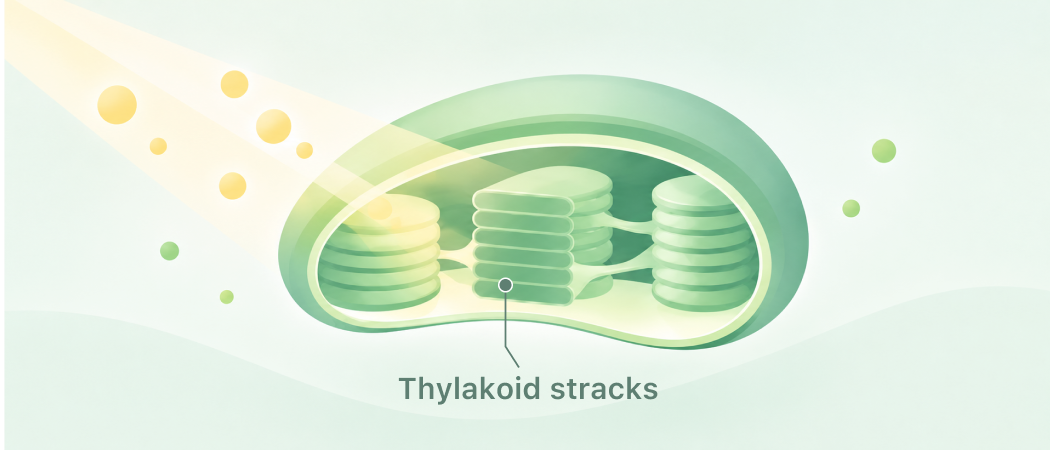
Lumen and Stroma Inside a Chloroplast

Use the thylakoid membrane to distinguish its lumen from the surrounding stroma.

Chemistry

Explore atoms, periodic trends, proteins, and molecular structures through interactive models.

Atomic Number and Element Identity course cover

Chemistry

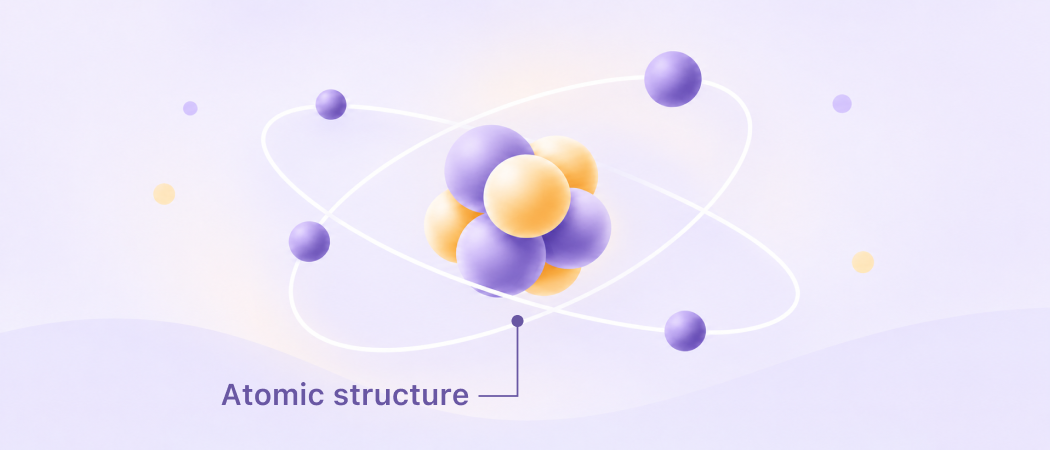
Atomic Number and Element Identity

Use proton count for identity and charge balance for neutrality.

Valence Electrons and Sodium Ions course cover

Chemistry

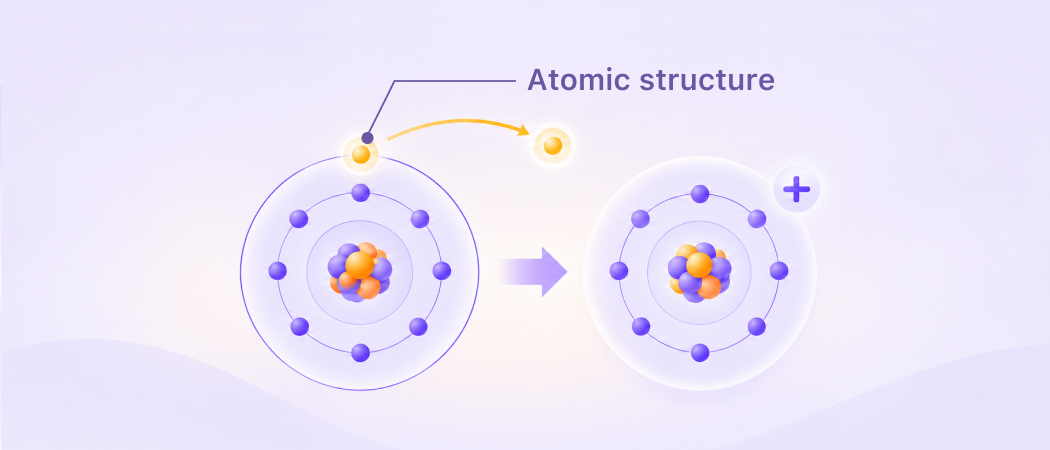
Valence Electrons and Sodium Ions

One outer electron is transferred; the 11-proton nucleus stays unchanged.

Alkali Metal Trends Down a Group course cover

Chemistry

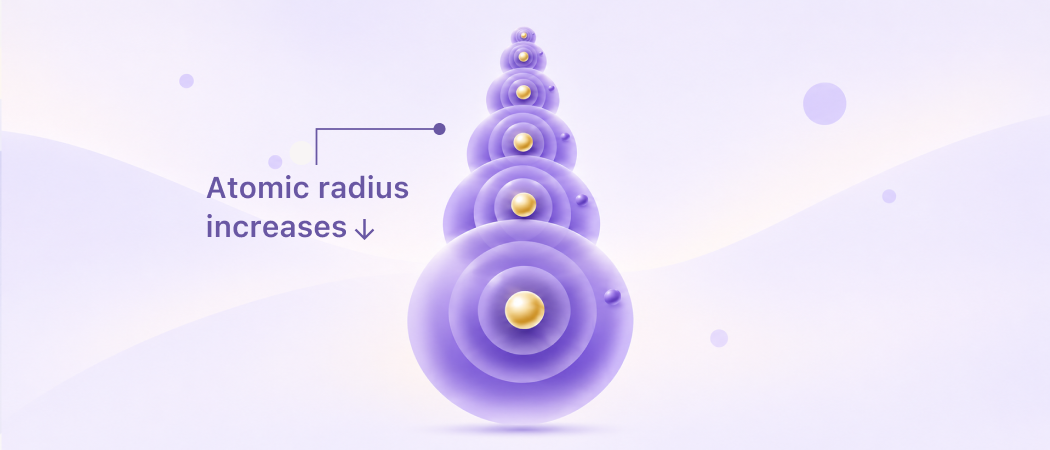
Alkali Metal Trends Down a Group

Same valence count; increasing distance and shielding down Li → Na → K.

Trends Across Period 3 course cover

Chemistry

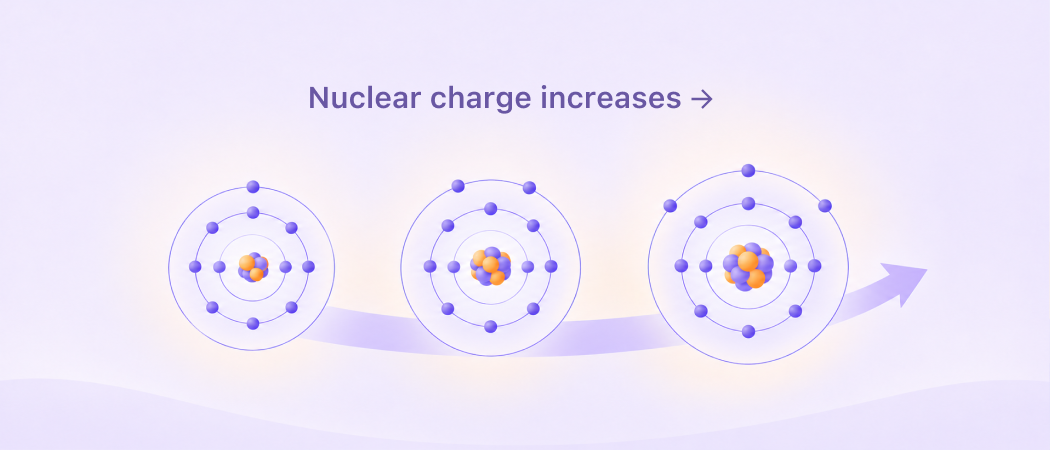
Trends Across Period 3

Compare Na, Mg and Al: the same shell count with increasing nuclear charge.

Periodic Law and Element Predictions course cover

Chemistry

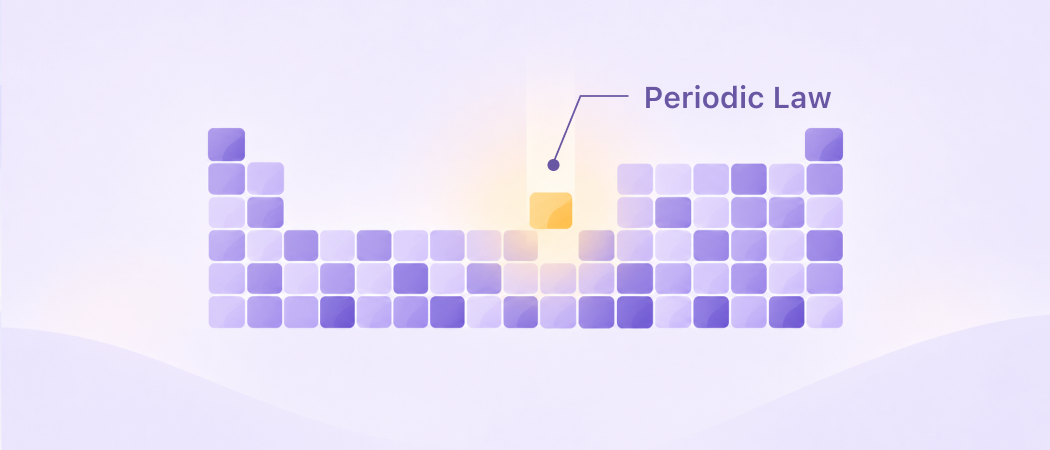
Periodic Law and Element Predictions

Recurring chemistry supports predictions that later discoveries can test.

Proteins in Everyday Life course cover

Chemistry

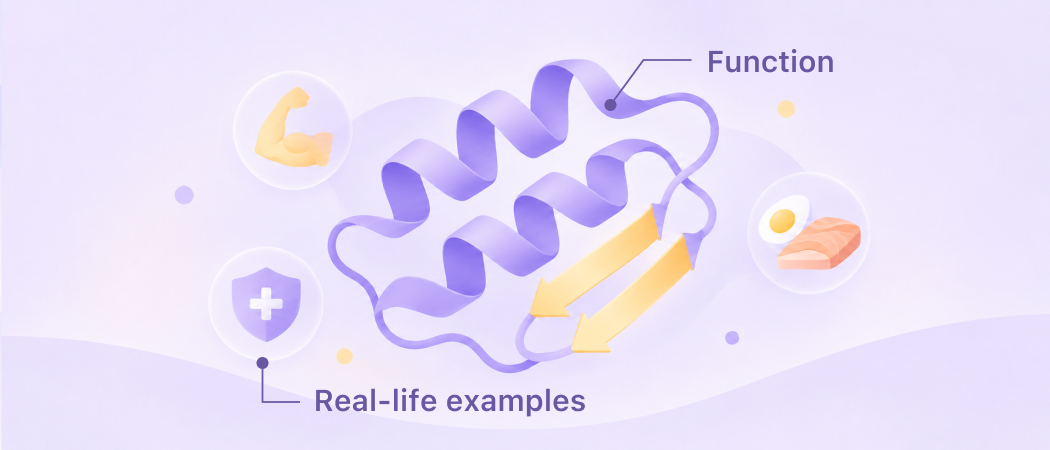
Proteins in Everyday Life

Structure, oxygen transport and catalysis: different jobs for amino-acid chains.

Medicine

Explore heart and lung anatomy, function, and clinical mechanisms through interactive models.

A Bite, a Journey course cover

MedicineNursing

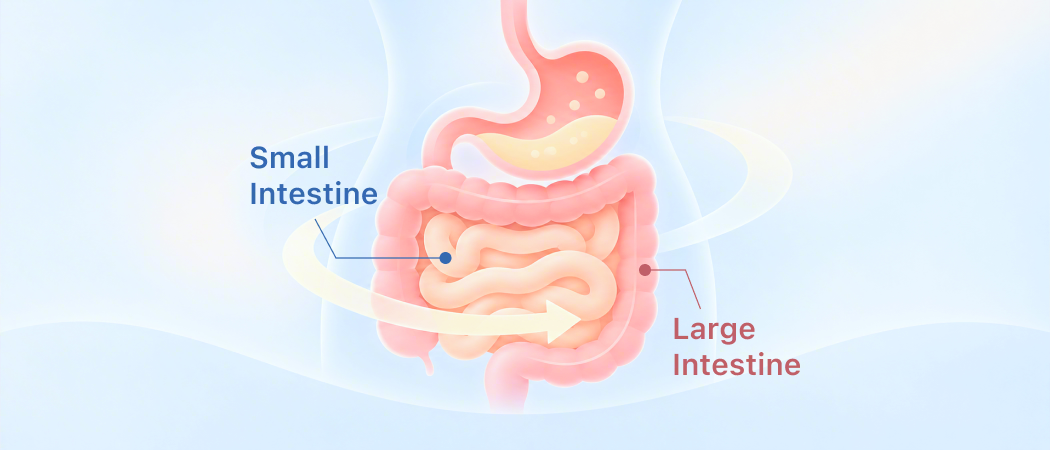
A Bite, a Journey

How your body turns food into fuel

Heart Pumps and Blood Circulation course cover

MedicineNursing

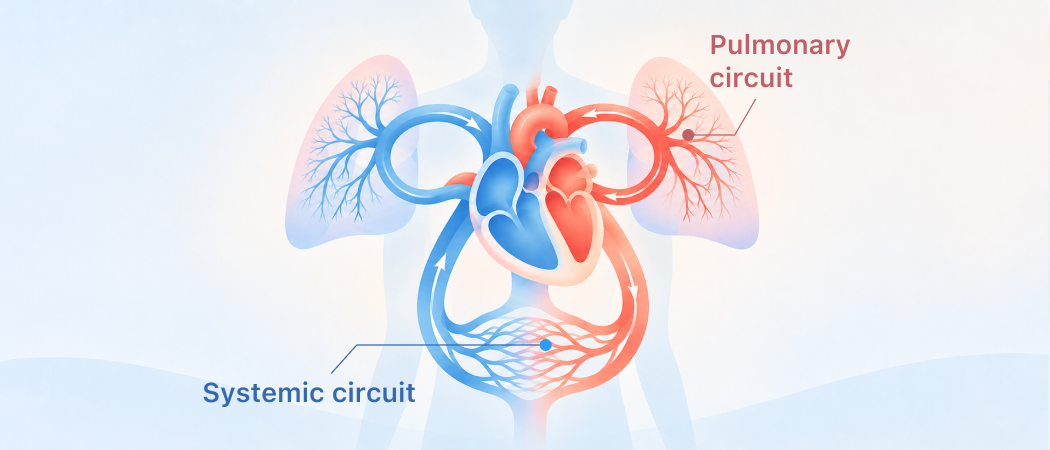
Heart Pumps and Blood Circulation

Right heart to lungs. Left heart to body.

Heart Valves and Pressure Differences course cover

MedicineNursing

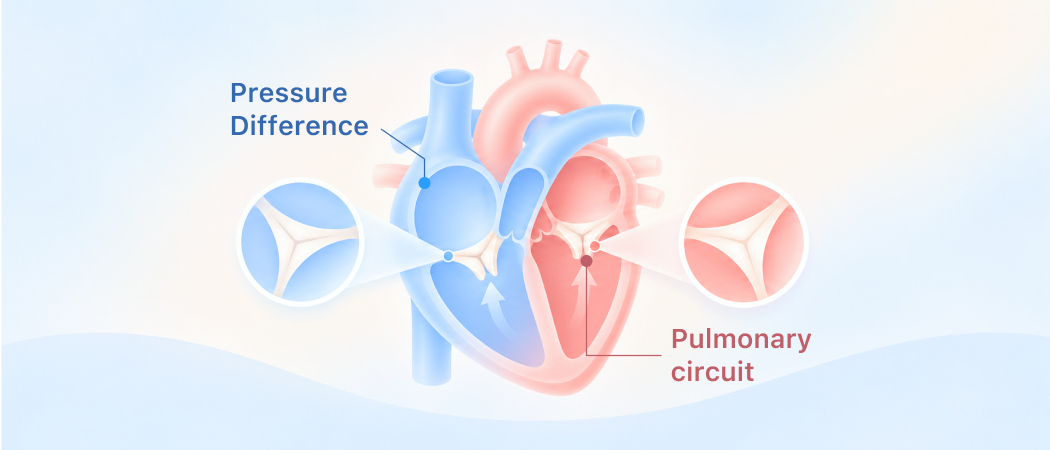
Heart Valves and Pressure Differences

Pressure differences move valve leaflets and direct blood forward.

Ventricular Walls and Pumping Pressure course cover

MedicineNursing

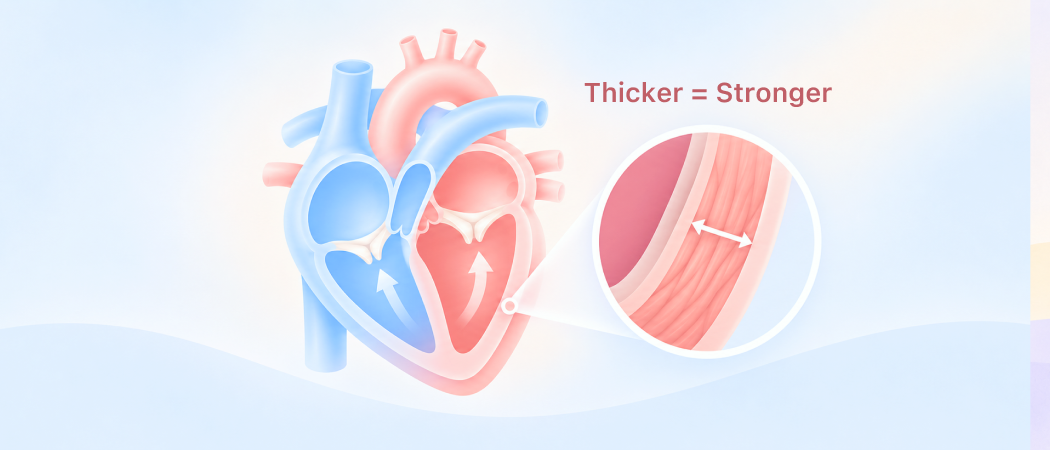
Ventricular Walls and Pumping Pressure

The thicker left ventricular wall supports a greater pressure workload, not greater average flow.

Cardiac Conduction and AV Node Delay course cover

MedicineNursing

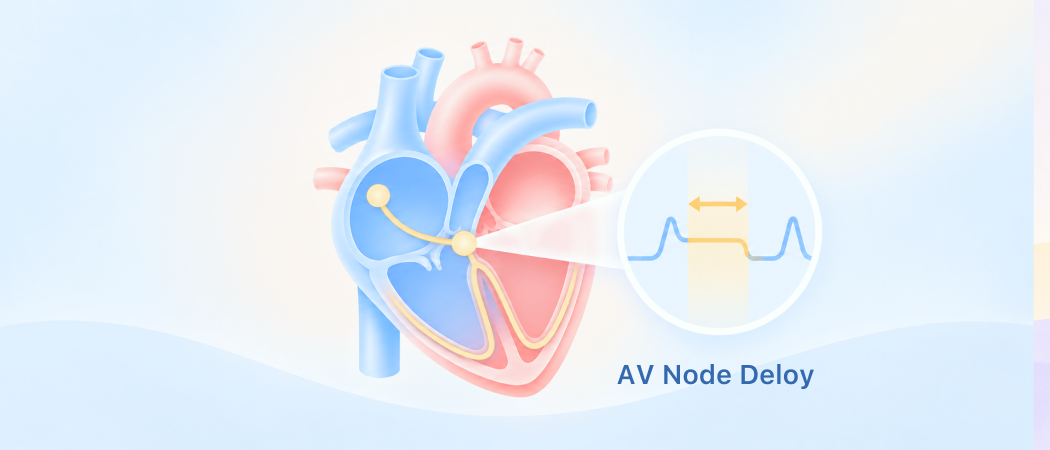
Cardiac Conduction and AV Node Delay

A brief AV-node delay helps separate atrial and ventricular contraction.

Heart Sounds and Valve Closure course cover

MedicineNursing

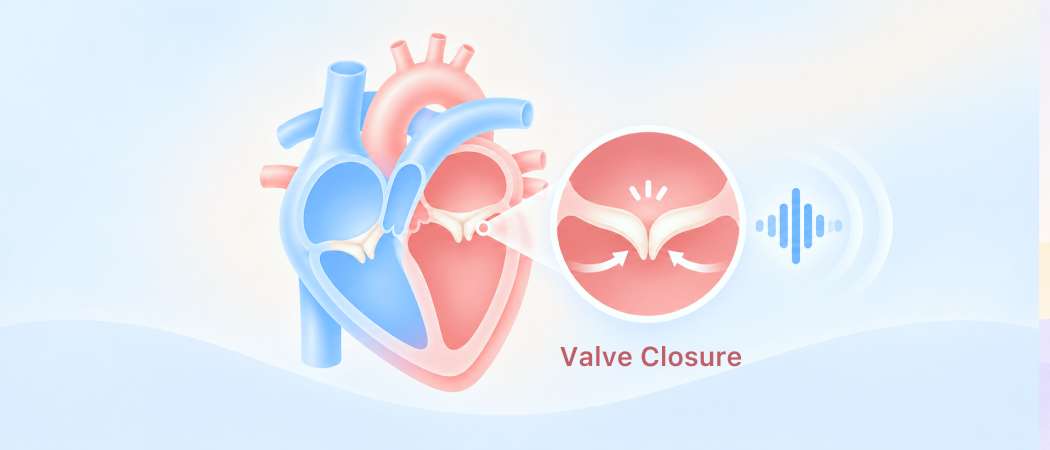
Heart Sounds and Valve Closure

Lub and dub are valve-closure landmarks within one cardiac cycle.